
Preparing Rental Properties for Hurricane Season: A Guide for Property Owners
- Aug 09, 2026
- 5 min read
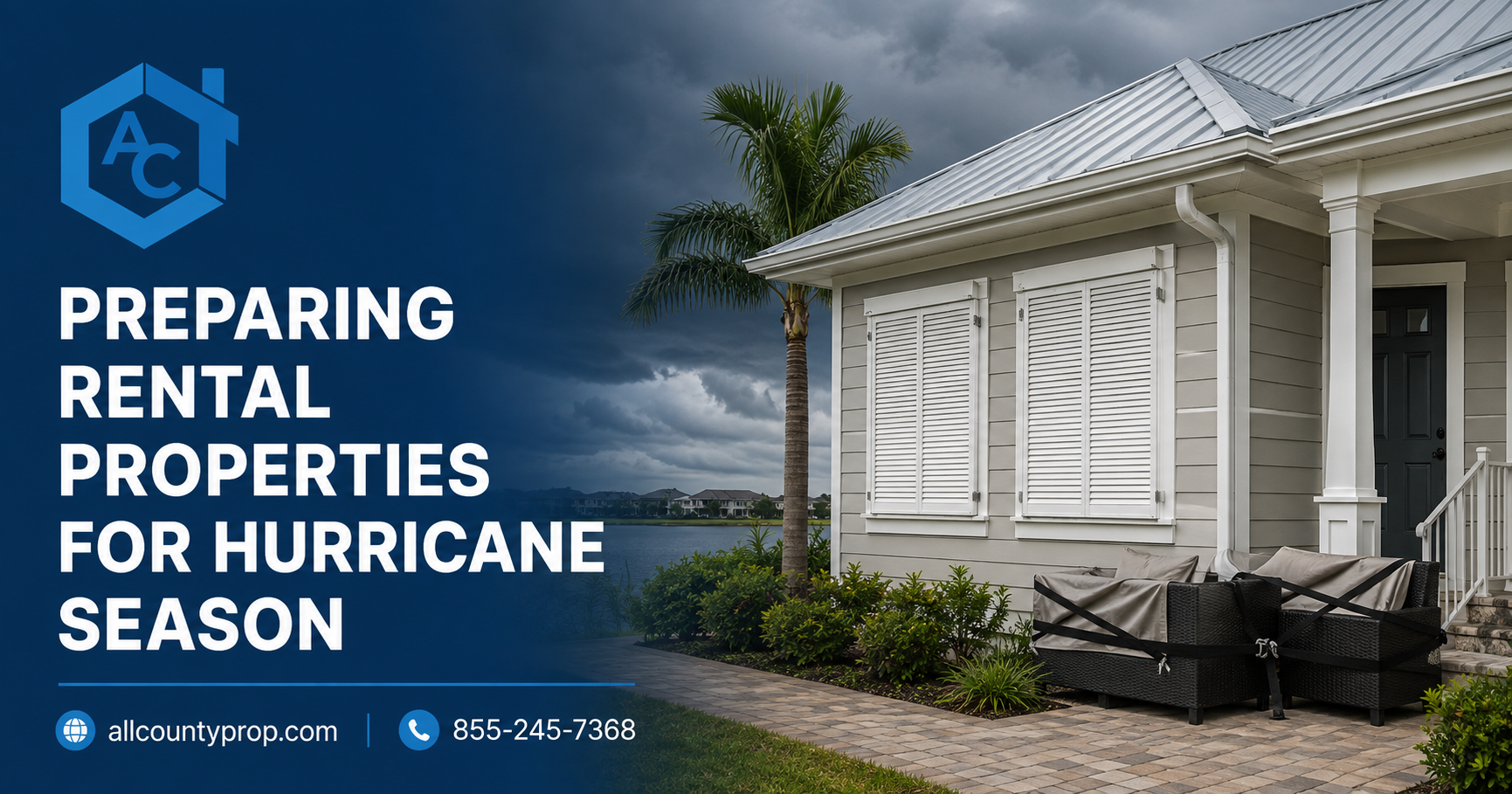

Preparing Rental Properties for Hurricane Season: A Guide for Property Owners
Hurricane season can bring powerful winds, flooding, storm surges, tornadoes, and extended utility outages. Although no property can be completely protected from severe weather, preparation can reduce damage, support tenant safety, and make recovery more manageable.
For rental property owners, preparation also means coordinating inspections, maintenance, tenant communication, insurance, and emergency response—often across multiple properties. Here are practical steps owners can take before severe weather threatens their community.
1. Understand Each Property’s Risk
Hurricanes are not exclusively a coastal concern. Wind, rain, and flooding can affect communities hundreds of miles inland.
Review whether your rental property is:
- Located in a designated flood or evacuation zone
- Vulnerable to storm surge or inland flooding
- Surrounded by large trees or loose outdoor objects
- Equipped with storm shutters or impact-resistant windows
- Prone to drainage problems or previous water intrusion
The FEMA Flood Map Service Center provides official flood-hazard information. Local emergency-management agencies can provide evacuation-zone details and community-specific instructions.
2. Inspect the Property Before a Storm Is Forecast
The best time to find a maintenance problem is before a hurricane is approaching. Schedule a seasonal inspection and pay special attention to the roof, gutters, drainage systems, windows, exterior doors, fencing, and trees.
Look for issues such as:
- Missing, loose, or damaged roof materials
- Cracks or gaps around windows and doors
- Clogged gutters and downspouts
- Water collecting near the foundation
- Weak or damaged fencing
- Dead branches or unstable trees
- Loose exterior fixtures
- Signs of previous leaks
Repairs involving roofing, electrical systems, plumbing, structural components, or large trees should be handled by qualified professionals.
3. Secure Outdoor Areas
Patio furniture, grills, planters, decorations, trash containers, and maintenance equipment can become dangerous debris in high winds.
Create a plan for securing or storing these items before storm conditions begin. Owners should also confirm who is responsible for tenant-owned outdoor belongings under the lease and communicate those responsibilities clearly.
Do not wait until winds are increasing to begin outdoor preparation. Property safety should be addressed well before conditions become hazardous.
4. Review Insurance Coverage
Standard property insurance may not cover every type of hurricane-related loss. In particular, FEMA notes that most homeowners insurance policies do not cover flood damage. Flood insurance is generally purchased separately.
Before hurricane season:
- Review property, windstorm, and flood coverage
- Confirm deductibles and policy limits
- Ask whether loss-of-rent coverage is included
- Verify the claims-reporting process
- Store policy numbers and contact information securely
- Document the condition of the property with dated photographs or video
Coverage varies by property and location, so owners should discuss their specific risks with a qualified insurance professional.
5. Establish a Tenant Communication Plan
Tenants need clear, timely information, but property owners and managers should not replace instructions from local authorities.
Before a storm, provide tenants with:
- Reliable sources for weather and emergency alerts
- Local evacuation and shelter information
- Emergency maintenance contact details
- Instructions for reporting property damage
- Reminders about securing personal outdoor items
- Guidance about utilities, if applicable
- Expectations for communication after the storm
Encourage residents to follow evacuation orders and prepare their own emergency supplies, medications, important documents, and plans for pets.
NOAA recommends having multiple ways to receive forecasts and alerts. Residents should never rely on a single communication method when severe weather is possible.
For current safety, evacuation, and emergency-planning recommendations, review the official hurricane preparedness guidance from Ready.gov.
6. Protect Important Property Records
Maintain digital copies of essential documents in a secure, accessible location. These may include:
- Insurance policies
- Leases and tenant contact information
- Property photographs
- Inspection and maintenance records
- Vendor and contractor contacts
- Appliance and equipment information
- Utility account details
- Emergency procedures
If normal systems become unavailable, having organized records can make it easier to contact tenants, report claims, authorize repairs, and document losses. Working with an experienced property management team can make inspections, tenant communication, maintenance coordination, and storm recovery easier to manage.
7. Build a Reliable Vendor Network
After a major storm, reputable contractors may be in high demand. Establish relationships with licensed and insured vendors before hurricane season.
Your contact list may include:
- Roofers
- Plumbers
- Electricians
- HVAC technicians
- Tree-removal professionals
- Water-remediation companies
- General contractors
- Board-up and emergency-repair services
Ask vendors about their emergency procedures, service areas, and availability following a regional disaster.
Seasonal preparation is easier when repair costs are planned in advance, which is why every owner should establish a dependable rental property maintenance budget.
8. Create a Post-Storm Inspection Process
Once authorities say it is safe to return, inspect the property as soon as reasonably possible. Never enter a building with suspected structural damage, standing water near electrical systems, a gas odor, or other immediate hazards.
Document visible damage before cleanup or repairs begin, when it is safe to do so. Contact the insurance carrier promptly and retain photographs, videos, estimates, invoices, and communication records.
Prioritize issues that could threaten health or cause additional damage, such as:
- Active roof or plumbing leaks
- Electrical hazards
- Broken windows or exterior doors
- Standing water
- Mold-producing moisture
- Fallen trees or large branches
- Unsafe structural conditions
Keep tenants informed about inspection results, repair schedules, access requirements, and any temporary safety restrictions.
Before severe weather threatens, owners should understand what landlord insurance covers and discuss any coverage gaps with a qualified insurance professional.
Preparation Is Easier With Professional Support
Hurricane preparation involves more than boarding windows when a storm appears in the forecast. It requires preventive maintenance, organized communication, dependable vendors, accurate documentation, and a coordinated response plan.
A professional property management team can help rental property owners prepare properties, communicate with residents, coordinate vendors, document damage, and manage recovery efforts—without requiring owners to handle every detail themselves.
All County® provides professional property management solutions designed to protect owners’ investments and create better rental experiences.
Visit allcountyprop.com or call 855-245-7368 to learn how All County® can help you manage and protect your rental property.
Rental Property Hurricane Checklist
Before hurricane season:
- Identify the property’s flood and evacuation zones.
- Inspect the roof, windows, doors, gutters, and drainage.
- Trim hazardous branches using a qualified professional.
- Repair existing leaks and exterior damage.
- Secure or store outdoor furniture and loose objects.
- Review property, windstorm, flood, and loss-of-rent coverage.
- Photograph the interior and exterior of the property.
- Update tenant and emergency contact information.
- Share reliable weather and evacuation resources with tenants.
- Confirm emergency procedures with maintenance vendors.
- Store leases, insurance documents, and property records securely.
- Establish a process for post-storm inspections and damage reporting
Rental owners can find a local All County® office for professional support tailored to their property and market.
This article provides general information and is not legal, insurance, construction, or emergency-management advice. Always follow instructions from local authorities and consult qualified professionals regarding your property.
Ready to hire a
property manager?
With 88 locations across the U.S. servicing more than 30,000 residential properties, our experts are ready to help provide the best property management experience.
Find a Property Manager