
Repairs in Rentals: Why This Topic Causes So Much Stress
- Feb 24, 2026
- 5 min read
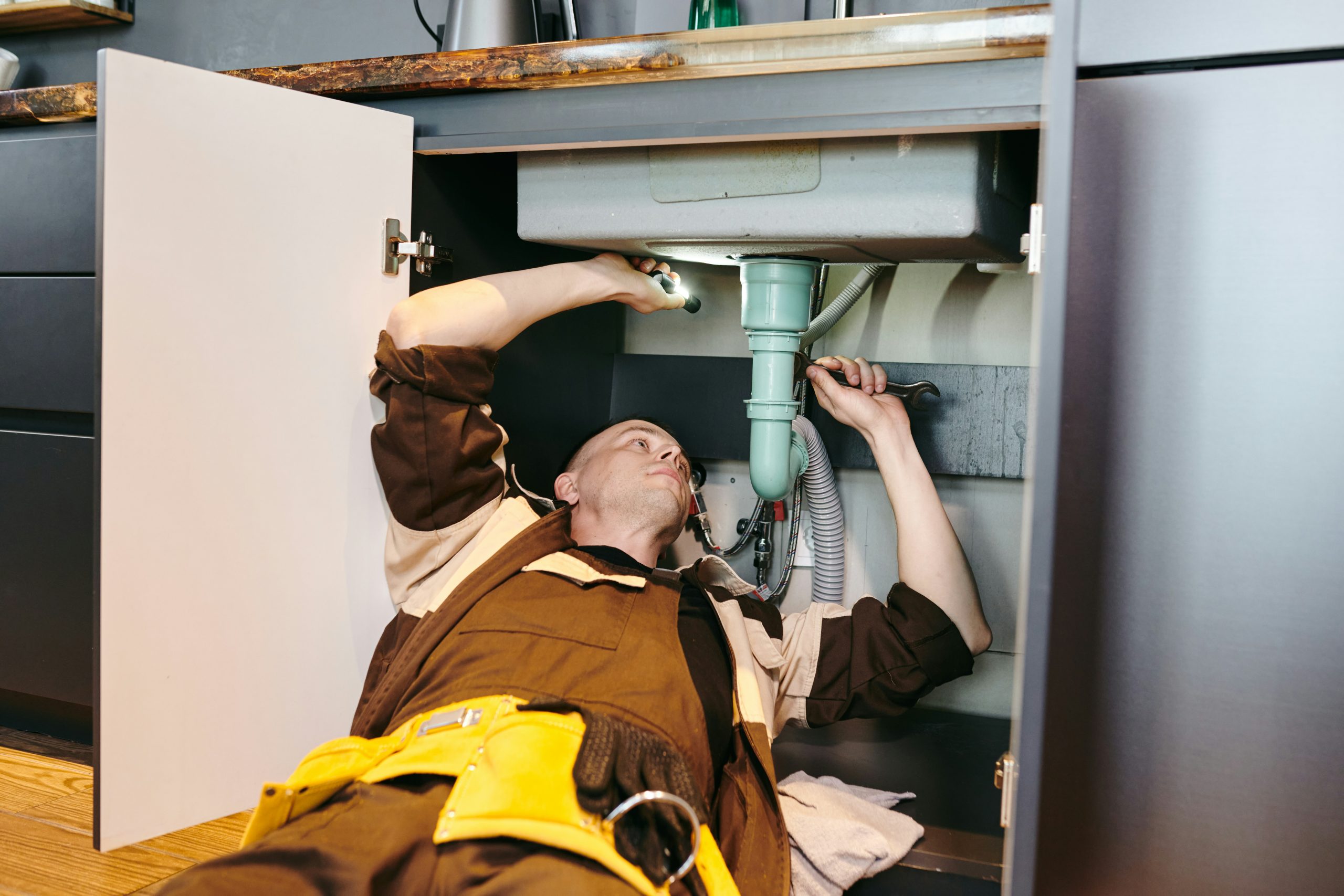

Repairs in Rentals: Why This Topic Causes So Much Stress
If you’ve ever rented a home—or owned one as a landlord—you already know the truth: repairs can be one of the biggest sources of frustration in a rental relationship.
A tenant might feel ignored when something breaks. A landlord might feel taken advantage of when small issues turn into “emergencies.”
And in many cases, neither person is trying to be difficult. They’re simply unclear about one thing:
Who is actually responsible for what?
Let’s break it down in a simple, fair way—so both landlords and tenants know what to expect.
“A professional property manager helps repairs get handled faster, with clearer communication and less frustration for both landlords and tenants.”
What Repairs Are Landlords Required to Make?
In most states, a landlord has repair responsibilities that are required:
-
Safe
-
Habitable
-
Structurally sound
-
Functional for basic living
This is often referred to as the “implied warranty of habitability.”
Even if a lease is vague, landlords are still typically responsible for keeping the home livable.
Landlords Are Usually Responsible For:
Here are the most common repairs that fall on the landlord in nearly every state:
✅ 1. Plumbing Problems
-
Broken pipes
-
Leaks behind walls
-
Sewer backups
-
Non-working toilets (especially if it’s the only one)
✅ 2. Hot Water
If the hot water heater stops working, this is almost always a landlord repair.
✅ 3. Heating (and Sometimes A/C)
-
Heat is almost always required
-
A/C depends on the state and what the lease promises
-
If the home came with A/C, it usually must be maintained
✅ 4. Electrical Issues
-
Unsafe outlets
-
Frequent breaker trips
-
Exposed wiring
-
Power failures not caused by tenant misuse
✅ 5. Roof Leaks & Structural Issues
-
Roof leaks
-
Foundation problems
-
Unsafe floors or stairs
-
Broken windows due to age or wear
✅ 6. Appliances Provided by the Landlord
If the landlord provides:
-
Refrigerator
-
Stove
-
Dishwasher
-
Washer/dryer
…then they are usually responsible for maintaining them (unless the tenant damages them).
✅ 7. Pest Control (in Many Cases)
If pests are due to the property’s condition—such as holes, gaps, or poor sealing—this is typically the landlord’s responsibility.
What Repairs Are Tenants Responsible For?
Tenants aren’t responsible for “major systems,” but they are responsible for basic care and preventing damage. In a healthy rental relationship, tenants treat the home as if it were their own. You can also review basic federal guidance through the HUD tenant rights resources.
Tenants Are Typically Responsible For:
✅ 1. Keeping the Home Clean and Sanitary
This includes:
-
Regular cleaning
-
Taking out trash
-
Avoiding pest-attracting conditions
✅ 2. Minor Maintenance
Depending on the lease, this may include:
-
Replacing lightbulbs
-
Replacing smoke detector batteries
-
Replacing air filters (if required)
✅ 3. Damage Caused by Neglect or Misuse
If a tenant causes damage such as:
-
Clogged drains due to improper use
-
Holes in walls
-
Broken doors
-
Cracked tiles from impact
-
Pet damage
…they may be financially responsible.
✅ 4. Reporting Issues Promptly
One of the biggest tenant responsibilities is communication.
If a tenant notices a small leak and ignores it for weeks, it can turn into major water damage. Unfortunately, the tenant may be held responsible for any additional damage caused by the delay.
If you’re renting for the first time, the Consumer Financial Protection Bureau (CFPB) also offers helpful guidance on what renters should know before signing a lease.
The Gray Area: Normal Wear and Tear vs. Damage
Most disagreements occur over the security deposit claim and normal wear and tear.
Normal Wear and Tear Examples:
-
Faded paint
-
Minor carpet wear
-
Loose door handles over time
-
Small scuffs on walls
Damage Examples:
-
Large holes in drywall
-
Pet urine stains
-
Broken blinds from rough use
-
Missing smoke detectors
-
Burns on countertops
When repairs fall into this gray zone, professional documentation matters.
That’s why good property management includes:
-
Move-in inspections
-
Photo documentation
-
Maintenance logs
-
Clear lease language
What About Emergency Repairs?
Emergencies usually include:
-
No heat in winter
-
Major plumbing leaks
-
Sewer backups
-
No running water
-
Electrical hazards
-
Gas smell
In these cases, landlords are typically required to respond quickly.
Tenants should also understand: Calling in an emergency repair for something non-emergency can lead to unnecessary charges.
A professional property manager helps prevent that confusion.
What Tenants Should Do When Something Breaks
If you’re a tenant, the best approach is:
-
Report the issue in writing (maintenance portal or email)
-
Be specific (photos help a lot)
-
Give access for repair vendors
-
Avoid DIY fixes unless approved
-
Follow up respectfully if you don’t hear back
Most landlords want to fix issues quickly—but they may not know there’s a problem unless it’s reported properly.
What Landlords Should Do to Prevent Repair Disputes
If you’re a landlord, the best prevention is structure.
Here are the habits that protect you and your investment:
✔ Use a Strong Lease
A lease should clearly state:
-
Who replaces air filters
-
Who handles pest control
-
Appliance responsibilities
-
Tenant damage policies
✔ Respond Quickly and Document Everything
Even if you can’t fix it immediately, acknowledging the issue matters.
✔ Don’t Delay “Small” Repairs
Small repairs become expensive repairs. A $30 leak can become a $3,000 mold remediation if ignored. Many repair problems can be prevented by budgeting properly—here’s why every owner needs a rental property maintenance budget.
At All County® Property Management, we believe most repair disputes can be avoided through clear communication, thorough documentation, and professionalism—which is why we also recommend reading our guide on handling tenant complaints.
How All County Helps Landlords and Tenants Avoid Repair Stress
At All County® Property Management, we work with both owners and residents every day. Our goal is not just to “manage repairs”—it’s to prevent repair conflicts from happening in the first place.
We do that through:
-
Clear lease expectations
-
Professional maintenance coordination
-
Fast communication and documentation
-
Reliable vendor relationships
-
Inspections that protect the property and everyone involved
When repairs are handled professionally, landlords protect their asset—and tenants feel respected and cared for. “If you want fewer disputes, faster repairs, and better resident retention, explore our owner services to see how All County® supports landlords with proven systems and trusted vendors.”
Final Thoughts: Repairs Don’t Have to Be a Battle
Repair issues can feel emotional, but most of the time, the solution is simple:
Clarity + Communication + Professional systems.
Whether you’re a landlord trying to protect your investment or a tenant trying to feel safe and comfortable in your home, understanding repair responsibilities makes everything easier.
Call to Action
“If you’re tired of repair issues turning into stress (or vacancies), learn how All County® helps owners protect their investment through professional property management services.”
If you’re a landlord who wants repairs handled professionally—or a tenant who values clear communication and a well-managed home—All County® Property Management is here to help.
📍 We serve communities across the U.S. with local expertise, consistent systems, and a people-first approach. Find an All County location near you.
Ready to hire a
property manager?
With 85 locations across the U.S. servicing more than 30,000 residential properties, our experts are ready to help provide the best property management experience.
Find a Property Manager