
The Ultimate Guide to Successful Rental Property Ownership: Protecting Your Investment & Maximizing Your Returns
- Jul 21, 2026
- 10 min read
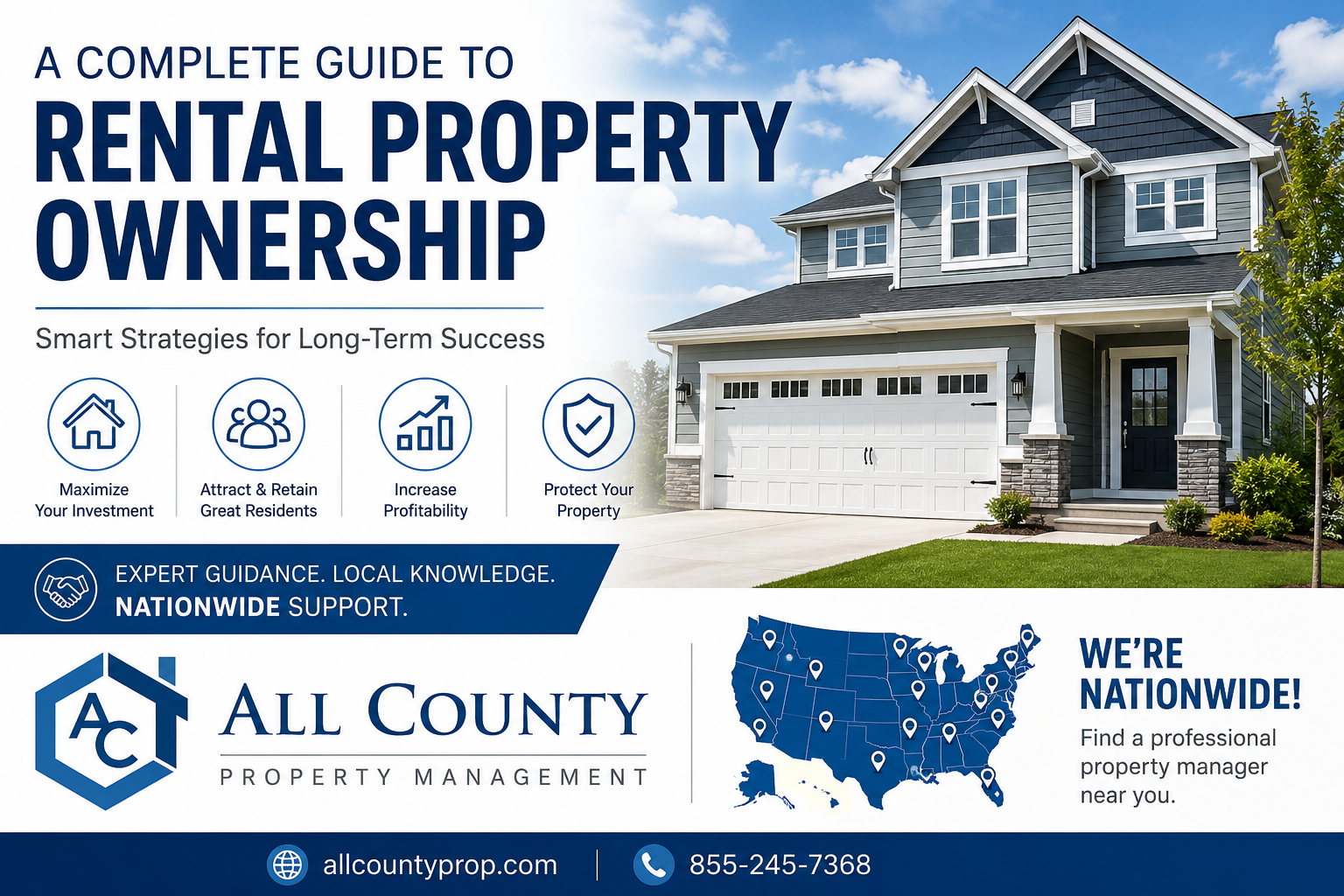


The Ultimate Guide to Successful Rental Property Ownership: Protecting Your Investment & Maximizing Your Returns
Owning rental property has long been one of the most effective ways to build long-term wealth. A well-managed investment property can generate steady monthly income, appreciate in value over time, and provide significant tax advantages. However, successful rental property ownership involves much more than collecting rent each month.
Every decision you make—from pricing your property and selecting residents to handling maintenance and complying with landlord-tenant laws—can have a direct impact on your profitability and your peace of mind.
Whether you’ve just purchased your first rental property or you’ve owned investment properties for years, understanding the fundamentals of professional property management can help you maximize your returns while protecting your investment.
This comprehensive guide walks through every stage of successful rental property ownership and provides practical strategies that can help you reduce risk, minimize vacancies, and create a positive experience for both you and your residents.
Why Rental Property Ownership Is One of the Best Long-Term Investments
Real estate continues to be one of the most reliable wealth-building tools available. Unlike many investments, rental properties offer multiple opportunities to build financial security.
Benefits include:
- Monthly rental income
- Long-term appreciation
- Potential tax advantages
- Equity growth as your mortgage is paid down
- Portfolio diversification
- Inflation protection
However, these benefits don’t happen automatically.
Successful rental property ownership requires planning, consistency, and a proactive approach to managing your investment.
The difference between a property that consistently produces strong returns and one that becomes a financial burden often comes down to how it is managed.
Start with a Clear Investment Strategy
Before advertising your property, ask yourself an important question:
What are you trying to accomplish?
Some owners prioritize monthly cash flow, while others focus on long-term appreciation. Many want a combination of both.
Understanding your objectives helps guide decisions regarding:
- Rental pricing
- Property improvements
- Maintenance budgets
- Financing
- Resident selection
- Long-term ownership
Successful owners regularly evaluate whether their investment strategy still aligns with their financial goals.
Rental property ownership is one of the most effective ways to build long-term wealth. For more insights on creating lasting financial security through real estate, read our blog, Building Long-Term Wealth through real estate investing.
Know Your Local Rental Market
Every rental market is different.
Rental rates, vacancy levels, demand, and resident expectations can vary dramatically from one neighborhood to another.
Research:
- Comparable rental homes
- Average days on market
- Seasonal demand
- Competing amenities
- Local employment trends
- School districts
- Transportation access
It is critical to property price correctly from the beginning.
Pricing too high often leads to longer vacancies.
If you price your rental too low your annual return and may even cause prospective residents to question the quality of the property.
Professional market analysis helps determine the optimal rental rate based on current market conditions rather than guesswork.
Curious about rental rates in your area or across the country? Zillow’s rental market data is a helpful resource for comparing average rents, exploring market trends, and understanding how your property’s pricing stacks up against similar rentals nationwide.
Prepare Your Property Before Marketing
First impressions matter.
Today’s renters often decide whether they want to schedule a showing within seconds of viewing an online listing.
Before marketing your property:
- Complete all repairs.
- Deep clean every room.
- Professionally clean carpets if needed.
- Touch up paint.
- Replace burned-out light bulbs.
- Service HVAC systems.
- Pressure wash exterior surfaces.
- Refresh landscaping.
- Ensure smoke and carbon monoxide detectors function properly.
Small improvements often generate significantly greater interest and reduce vacancy time.
Before listing your rental, take time to make it stand out from the competition. How to Prepare Your Rental Property for New Tenants, walks you through the essential steps to attract qualified residents and make a great first impression.
Professional Photography Makes a Difference
Most rental searches begin online.
High-quality professional photographs consistently outperform cellphone photos.
Professional images should showcase:
- Bright living spaces
- Kitchens
- Bathrooms
- Bedrooms
- Outdoor living areas
- Garage
- Storage
- Community amenities (if applicable)
Well-lit, wide-angle photographs create stronger first impressions and generate more inquiries.
Market Your Property Everywhere Qualified Renters Are Searching
Effective marketing involves more than placing a sign in the yard.
Today’s renters search multiple online platforms before making a decision.
A comprehensive marketing strategy may include:
- Major rental websites
- Company website
- Social media
- Local MLS where appropriate
- Corporate relocation contacts
- Military relocation resources
- Employer partnerships
The goal is simple:
Generate as many qualified inquiries as possible while minimizing vacancy.
Tenant Screening Is One of the Most Important Decisions You’ll Make
Choosing the right resident may be the single most important factor affecting your property’s long-term success.
A thorough screening process helps reduce the likelihood of:
- Late payments
- Lease violations
- Property damage
- Evictions
- High turnover
Professional screening often includes:
- Credit history
- Income verification
- Employment verification
- Criminal background screening (where legally permitted)
- Rental history
- Eviction history
- Identity verification
Equally important is applying the same screening criteria consistently and in compliance with Fair Housing laws.
Consistency protects both property owners and applicants.
Understand Fair Housing Laws
Every rental property owner has a legal responsibility to comply with federal, state, and local Fair Housing regulations.
These laws prohibit discrimination based on protected characteristics and help ensure every applicant receives equal treatment.
Property owners should:
- Use objective screening standards.
- Apply policies consistently.
- Maintain thorough documentation.
- Avoid discriminatory language in advertising.
- Stay informed about changing regulations.
Fair Housing compliance isn’t just about avoiding lawsuits—it reflects professionalism and ethical business practices.
Want to learn more about your responsibilities under Fair Housing laws? Visit the Housing and Urban Development site to understand your obligations as a landlord.
A Strong Lease Protects Everyone
A comprehensive lease agreement establishes clear expectations before a resident moves in.
Your lease should address topics including:
- Rent amount
- Due dates
- Late fees
- Security deposit terms
- Maintenance responsibilities
- Pet policies
- Occupancy limits
- Property alterations
- Parking
- Utilities
- Lease renewal procedures
Clear expectations reduce misunderstandings and create a stronger landlord-resident relationship.
Set Residents Up for Success
Move-in day sets the tone for the entire tenancy.
Provide residents with:
- Move-in inspection documentation
- Emergency contact information
- Maintenance request procedures
- Utility information
- Community rules
- Trash and recycling schedules
- Property manuals when appropriate
Clear communication from day one often leads to better long-term relationships.
A successful tenancy begins with clear expectations. Encourage your residents to read, Understanding Your Lease and Rental Obligations, so they know their rights, responsibilities, and how to help create a positive rental experience from day one.
Preventive Maintenance Protects Your Investment
One of the biggest mistakes rental property owners make is waiting until something breaks.
Preventive maintenance extends the life of expensive systems and often reduces repair costs.
Routine maintenance should include:
- HVAC servicing
- Roof inspections
- Plumbing inspections
- Gutter cleaning
- Smoke detector testing
- Pest prevention
- Exterior inspections
- Appliance maintenance
A small investment today often prevents a much larger repair tomorrow.
Respond Quickly to Maintenance Requests
Residents appreciate prompt communication.
Ignoring maintenance requests can:
- Increase repair costs
- Damage resident relationships
- Lead to lease non-renewals
- Create potential legal concerns
Develop a system that allows maintenance requests to be submitted easily and addressed efficiently.
Residents who feel heard are generally more satisfied with their rental experience.
Conduct Routine Property Inspections
Routine inspections help identify issues before they become major problems.
Common inspection schedules include:
- Move-in
- Mid-lease
- Renewal inspections
- Move-out
Inspections allow owners to identify:
- Deferred maintenance
- Safety concerns
- Lease violations
- Water leaks
- Unauthorized occupants
- Pet issues
Documentation with photographs creates an accurate record of property condition.
Budget for Repairs and Capital Improvements
Every property requires ongoing investment.
Successful owners budget for both routine maintenance and long-term capital improvements.
Examples include:
Routine expenses:
- Plumbing repairs
- Appliance service
- Landscaping
- HVAC maintenance
Capital improvements:
- Roof replacement
- HVAC replacement
- Flooring
- Windows
- Exterior painting
Planning ahead reduces financial surprises.
Price Rent Strategically
Many owners assume maximizing rent means charging the highest possible amount.
In reality, overpricing often creates extended vacancies that cost more than slightly lower monthly rent.
A balanced pricing strategy considers:
- Current competition
- Seasonal demand
- Property condition
- Market trends
- Resident retention
Sometimes renewing an excellent resident at a reasonable increase is more profitable than risking vacancy.
Communication Builds Strong Resident Relationships
Residents want responsive, professional communication.
Simple practices make a significant difference:
- Return calls promptly.
- Explain repair timelines.
- Provide advance notice for inspections.
- Communicate professionally.
- Document important conversations.
Good communication builds trust.
Encourage Lease Renewals
Resident turnover is expensive.
Costs may include:
- Vacancy
- Marketing
- Cleaning
- Repairs
- Leasing commissions
- Utility expenses
Keeping quality residents often provides the highest return on investment.
Renewal strategies include:
- Competitive rent adjustments
- Prompt maintenance
- Professional communication
- Property improvements
- Renewal incentives when appropriate
Lease renewals are one of the most effective ways to reduce vacancy and increase long-term profitability. For proven strategies to retain great residents, read, How to Increase Lease Renewals and Resident Retention.
Understand Your Financial Performance
Successful rental property owners monitor performance regularly.
Track:
- Rental income
- Vacancy rate
- Maintenance expenses
- Net operating income
- Cash flow
- Capital expenditures
Reviewing financial reports helps identify opportunities to improve profitability.
For official information on reporting rental income, deductible expenses, and other tax requirements, visit the IRS’s Rental Income and Expenses resource.
Prepare for Unexpected Expenses
Every owner should maintain an emergency reserve.
Unexpected events happen.
Examples include:
- HVAC failures
- Water heaters
- Plumbing leaks
- Storm damage
- Appliance replacement
Having reserves prevents emergency repairs from becoming financial emergencies.
Stay Current with Laws and Regulations
Landlord-tenant laws continue to evolve.
Owners should stay informed about:
- Security deposit regulations
- Notice requirements
- Fair Housing updates
- Habitability standards
- Local licensing requirements
- Eviction procedures
Working with experienced professionals helps reduce legal risk.
Professional property management plays a key role in improving lease renewal rates through responsive communication, timely maintenance, and exceptional resident service. Learn more from, the Glossary of Property Management.
Common Mistakes Rental Property Owners Make
Even experienced owners occasionally make costly mistakes.
Some of the most common include:
Waiting Too Long to Raise Rent
Small annual adjustments are often easier than significant increases after several years.
Skipping Tenant Screening
One poorly screened resident can cost thousands of dollars.
Ignoring Maintenance
Deferred maintenance almost always becomes more expensive.
Becoming Emotionally Attached
Rental property ownership is ultimately a business.
Business decisions should be based on facts—not emotions.
Poor Record Keeping
Documentation protects owners during disputes and simplifies financial reporting.
When Should You Hire a Professional Property Manager?
Many owners begin by managing properties themselves.
As portfolios grow—or life becomes busier—professional management often becomes a worthwhile investment.
Professional property managers can provide:
- Market analysis
- Professional marketing
- Comprehensive resident screening
- Lease preparation
- Rent collection
- Maintenance coordination
- Vendor relationships
- Financial reporting
- Inspection programs
- Legal compliance assistance
For many owners, professional management reduces stress while helping maximize long-term returns.
Whether you own one rental home or a growing investment portfolio, having the right property management partner can make all the difference. All County Property Management proudly serves property owners through a nationwide network of locally owned and operated offices, delivering personalized service backed by decades of industry experience.
Frequently Asked Questions
How much should I budget for maintenance?
Many experts recommend budgeting approximately 1%–2% of your property’s value annually, although actual costs vary depending on the property’s age, condition, and location.
How often should rental properties be inspected?
Most owners benefit from inspections at move-in, periodically during the lease when permitted by law, at renewal, and after move-out.
Is professional property management worth the cost?
Many owners find that professional management helps reduce vacancies, improve resident retention, minimize legal risk, and free up valuable time.
How can I reduce vacancy?
Competitive pricing, excellent property condition, professional marketing, and responsive communication all help reduce vacancy.
Should I allow pets?
Pet-friendly properties often attract a larger pool of qualified applicants. Establish clear policies, screening procedures, and applicable fees where permitted by law.
Final Thoughts
Owning rental property can be one of the most rewarding long-term investments you make—but success doesn’t happen by chance.
It requires thoughtful planning, consistent maintenance, sound financial management, careful resident selection, and a commitment to providing quality housing.
Whether you own a single rental home or a growing portfolio, every decision you make affects your investment’s performance. By staying proactive, following best practices, and focusing on long-term value instead of short-term fixes, you can reduce risk, improve resident satisfaction, and maximize your return on investment.
If managing your property becomes overwhelming or you simply want to spend more time enjoying the benefits of ownership rather than handling the day-to-day responsibilities, partnering with an experienced property management company can make all the difference.
At All County Property Management, we’ve helped rental property owners protect their investments and maximize returns for more than three decades. From marketing and tenant screening to maintenance coordination, inspections, rent collection, and financial reporting, our experienced team is committed to helping your investment succeed.
Ready to take the stress out of rental property ownership? Contact All County Property Management today at 855-245-7368 or visit www.allcountyprop.com to learn how professional management can help you achieve your investment goals.
Ready to hire a
property manager?
With 88 locations across the U.S. servicing more than 30,000 residential properties, our experts are ready to help provide the best property management experience.
Find a Property Manager